

As a supplier of Thin Film Laser Cutting Machines, I've witnessed firsthand the critical role that humidity control plays in the optimal performance of these sophisticated pieces of equipment. In this blog post, I'll delve into the requirements for humidity control around a thin film laser cutting machine, explaining why it matters and how to achieve the right conditions.
Why Humidity Control is Crucial for Thin Film Laser Cutting Machines
Thin film laser cutting machines are precision instruments designed to cut through various thin materials with high accuracy and speed. These machines rely on a stable environment to function properly, and humidity is one of the key factors that can significantly impact their performance.
Impact on Laser Optics
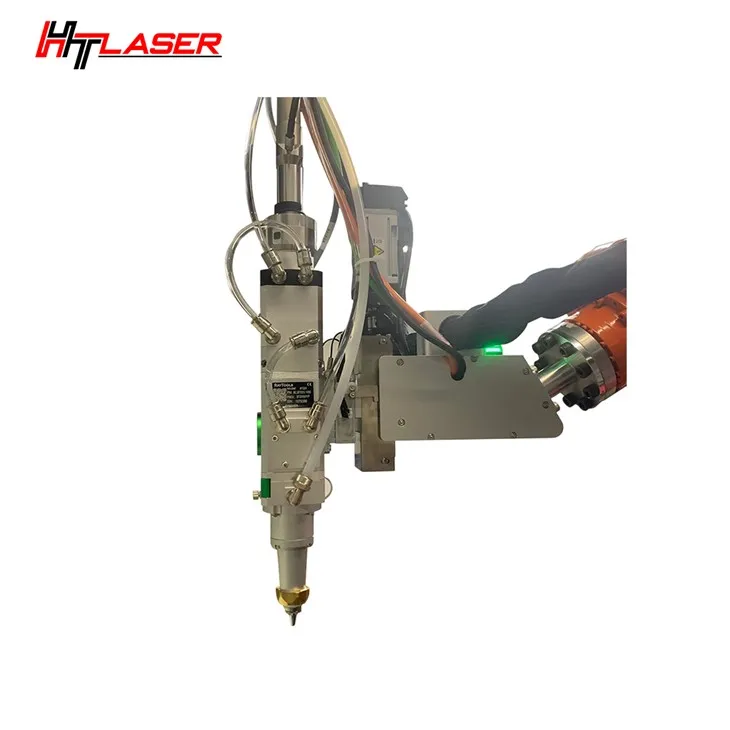
The laser optics in a thin film laser cutting machine are extremely sensitive to humidity. High humidity levels can cause moisture to condense on the optical components, such as lenses and mirrors. This condensation can lead to several problems, including reduced laser beam quality, increased absorption of the laser energy, and even damage to the optical surfaces. Over time, this can result in decreased cutting efficiency, lower precision, and ultimately, the need for costly repairs or replacements of the optical components.

Effect on Material Properties
The thin materials being cut by the laser can also be affected by humidity. Many thin films are hygroscopic, meaning they absorb moisture from the surrounding air. When the humidity is too high, the material can swell or become more flexible, which can make it difficult to achieve precise cuts. On the other hand, low humidity can cause the material to become brittle and more prone to cracking or delamination during the cutting process. Maintaining the right humidity level helps to ensure that the material properties remain consistent, resulting in more accurate and reliable cuts.
Influence on Electrical Components
Humidity can also have a negative impact on the electrical components of the laser cutting machine. Moisture in the air can cause corrosion of the circuit boards, connectors, and other electrical parts, leading to short circuits, malfunctions, and reduced lifespan of the components. In addition, high humidity can increase the risk of electrostatic discharge (ESD), which can damage sensitive electronic components and disrupt the normal operation of the machine.
Ideal Humidity Range for Thin Film Laser Cutting Machines
The ideal humidity range for a thin film laser cutting machine typically falls between 40% and 60% relative humidity (RH). This range provides a balance between preventing moisture-related issues and maintaining the stability of the materials being cut. However, the specific humidity requirements may vary depending on the type of thin film material, the laser cutting process, and the manufacturer's recommendations.
For example, some materials may require a lower humidity level to prevent swelling or warping, while others may be more tolerant of higher humidity. It's important to consult the machine's user manual and the material supplier's guidelines to determine the optimal humidity range for your specific application.
Controlling Humidity in the Laser Cutting Environment
To maintain the ideal humidity range around a thin film laser cutting machine, several measures can be taken:
Use a Humidifier or Dehumidifier
A humidifier can be used to increase the humidity level in the environment if it is too low, while a dehumidifier can be used to reduce the humidity if it is too high. These devices can be set to maintain a specific humidity level automatically, ensuring a stable and consistent environment for the laser cutting machine.
Install a Climate Control System
For larger facilities or environments where precise humidity control is required, a climate control system may be necessary. These systems can regulate both the temperature and humidity levels in the room, providing a more comprehensive solution for maintaining the ideal operating conditions for the laser cutting machine.
Monitor the Humidity Regularly
It's important to monitor the humidity level in the laser cutting environment regularly using a reliable humidity sensor. This allows you to detect any fluctuations in humidity and take corrective action promptly. Some humidity sensors can be connected to a data logging system, which can provide historical data on the humidity levels over time, helping you to identify trends and potential issues.
Seal the Laser Cutting Area
To prevent moisture from entering the laser cutting area, it's important to seal the room properly. This includes sealing any gaps around doors, windows, and ventilation ducts, as well as using airtight enclosures for the laser cutting machine itself. This helps to minimize the impact of external humidity variations on the internal environment.
Conclusion
In conclusion, humidity control is a critical aspect of operating a thin film laser cutting machine. By maintaining the ideal humidity range, you can ensure the optimal performance of the machine, prevent damage to the optical and electrical components, and achieve more accurate and reliable cuts. As a supplier of Thin Film Laser Cutting Machines, we understand the importance of providing our customers with the information and support they need to operate their machines effectively. If you have any questions or need further assistance with humidity control or any other aspect of our laser cutting machines, please don't hesitate to contact us. We're here to help you make the most of your investment and achieve the best possible results.
If you're interested in learning more about our range of laser cutting machines, including our Precision Fiber Laser Cutting Machine and 3D Robotic Laser Cutting Machine, please visit our website or contact our sales team. We look forward to discussing your specific requirements and providing you with a customized solution.
References
- Manufacturer's user manuals for thin film laser cutting machines
- Technical literature from thin film material suppliers
- Industry standards and guidelines for laser cutting processes