


Shenzhen Chinasky Laser Technology Co., Ltd. is one of the most professional manufacturers and suppliers of MOPA Pulsed Fiber Laser Marker For Metal Marking And Deep Engraving in China. Please rest assured to buy high quality MOPA Pulsed Fiber Laser Marker For Metal Marking And Deep Engraving with 2 years warranty from our factory. We also accept customized orders.
HT-MF1064-20~300MF MOPA Pulsed Fiber Laser Marker for Metal Marking and Deep Engraving
Core Benefits
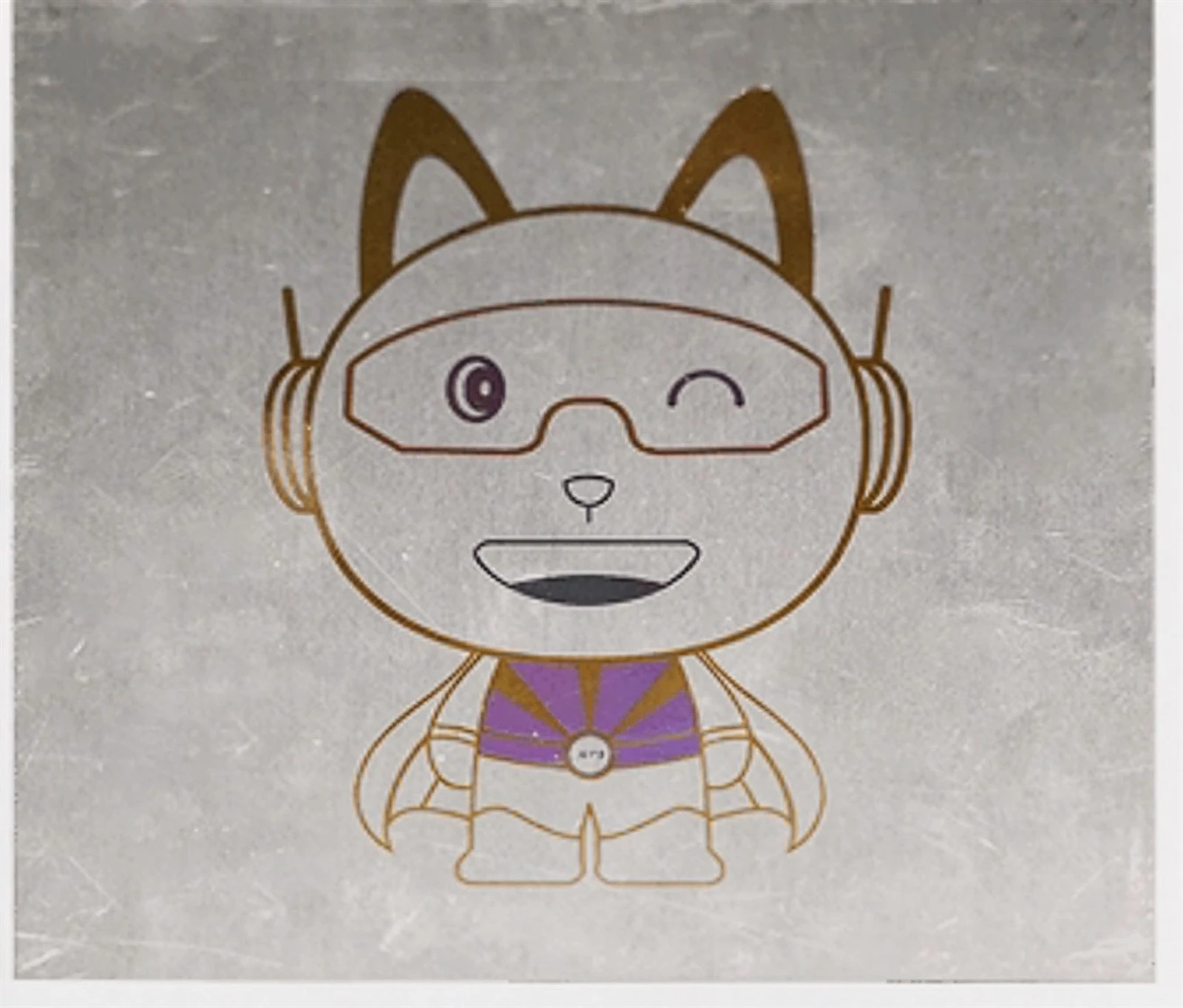
MOPA Pulse Control for Black and Color Marking
The adjustable 6–200 ns pulse width lets the process tune pulse energy and duration per metal type, supporting black marking on stainless, black or bright alumina and controlled color marking. For buyers, this means more than one surface result from one machine family, reducing the number of dedicated markers needed.
Marking, Engraving, Stripping and Cleaning on One Platform
Beyond surface marking, the fiber configuration supports deep engraving, anodic-layer paint stripping, coating removal and light cleaning. Job shops and component makers can keep several metal surface operations on one machine family, simplifying spare-parts and operator training.
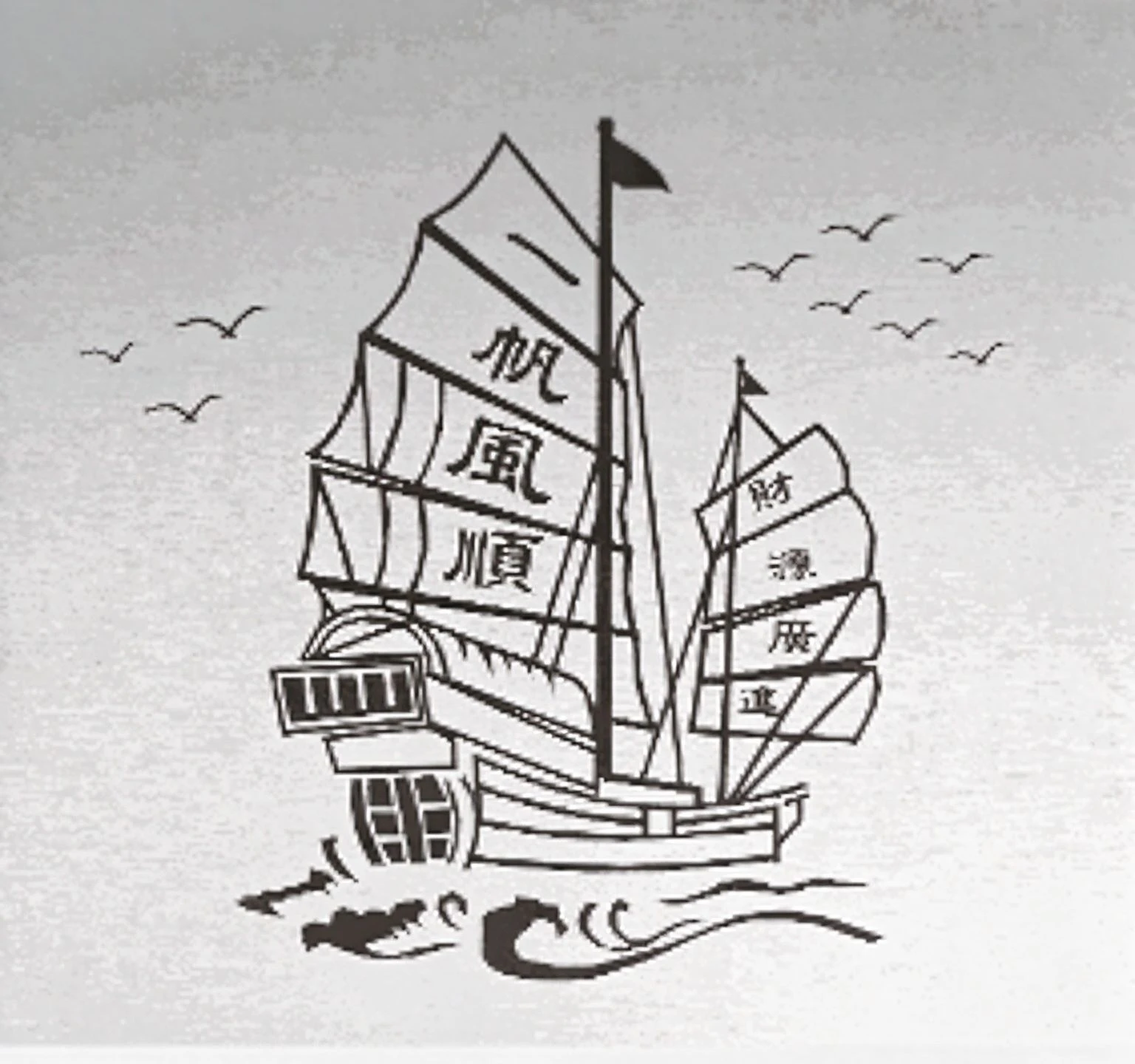
Seven Power Tiers for Depth and Throughput
The 20–300 W tier range matches source capacity to mark depth, field size and cycle needs: lower tiers for fine surface marks, higher tiers for deep engraving and heavier stripping. Targeted tier selection helps distributors offer a cost-efficient configuration per application rather than an oversized machine.
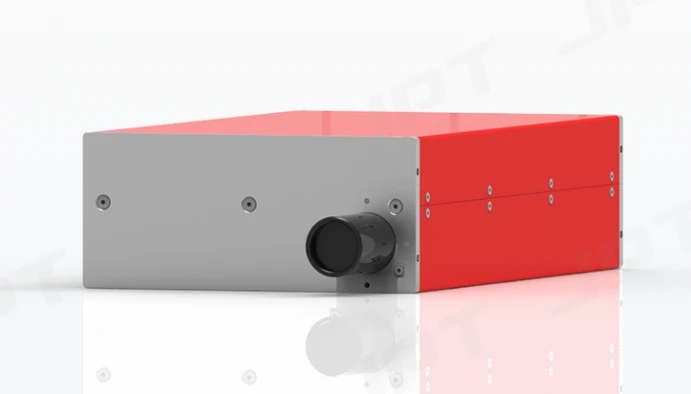
Thermal-Lens Control on Infrared Optics
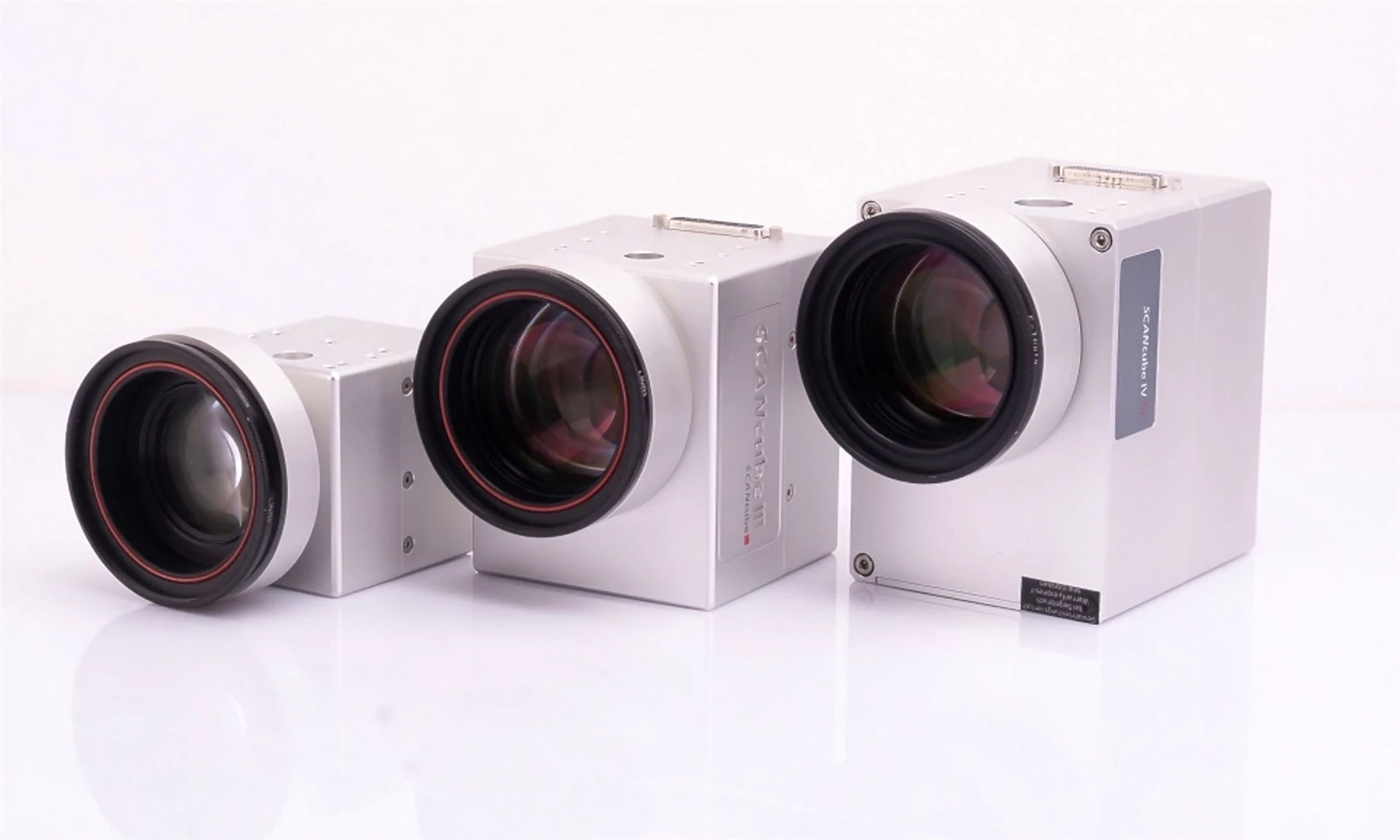
The Scanlab infrared galvo is paired with a forced quartz composite field lens to limit thermal-lens drift under continuous operation. More stable focus across a batch supports consistent mark depth and legibility, which matters for nameplates, traceability codes and repeated production runs.
product solution
The machine is specified for metal parts: metal grade, surface treatment, black/color/engraving/stripping target and cycle are confirmed first, then configuration is matched across the seven 20–300 W tiers and pulse-width range.
JPT YDFLP M7/M8 MOPA fiber source, 1064 nm, seven tiers 20–300 W, 14 preset pulse modes
Adjustable 6–200 ns pulse width for black, color, engraving and stripping results.
Anti-high-reflection design keeps the source stable on aluminium, copper and other reflective metals.
≥0.12 mm character for metal marks, codes and nameplate detail.
Infrared Scanlab galvo with forced quartz composite field lens.
2D planar and 3D dynamic-focus fields for flat hardware and large shells.
applications
Hardware, Auto Parts and Nameplates
Brackets, fasteners, structural parts and nameplates require legible codes, logos and traceability marks on metal. The fiber source is matched to alloy and contrast target, with field and station selected by part flow and batch size.
3C Metal Shells and New-Energy Components
Metal shells and new-energy structural parts combine appearance marking with traceability requirements. Large or formed shells can use the 3D dynamic-focus field; pulse settings are tuned to the shell surface treatment.
Mold and Tooling Lettering
Mold inserts, dies and tooling need durable recessed lettering and identification that survives production use. Higher tiers support deep engraving, with depth and legibility confirmed on the sample record.
Paint Stripping, Coating Removal and Surface Cleaning
Anodic-layer stripping, coating removal and light cleaning remove surface layers without cutting the base metal. The process is validated on the real surface before volume, with result documented for quality review.
Product Comparison
| Factor | HTLASER | Alternative | Benefit |
| Source selection | Source matched to workpiece material and geometry | Generic source label without material review | RFQ built on confirmed inputs; lower source-mismatch risk |
| 2D / 3D coverage | 2D planar and 3D dynamic-focus options in one series | Planar-only or a separate specialized 3D machine | Focus matched to geometry instead of over-specifying or outsourcing |
| Optical matching | Scanlab galvo with wavelength-specific coating; lenses kept within source | Loose optics with cross-wavelength lens reuse | More consistent spot quality and clearer consumable rules |
| Station flexibility | Single station; rotary dual station, vision and line integration optional | Fixed manual station with limited upgrade path | Machine scales with volume and connects to buyer fixturing |
| Sample validation | Sample test on the real workpiece before volume commitment | No sample validation before bulk order | Process result and record basis for internal approval |
| OEM/ODM | Branding, configuration and packaging discussion open; scope confirmed with engineering | Standard machine only, no customization | Brand owners and distributors align machine with own market and packaging |
Ordering Process
| Step | Description | Note |
| Requirement Intake | Buyer provides material, size, geometry, graphics, contrast or depth and throughput; these inputs define the source and field setup. | Incomplete intake causes source and field errors. |
| Source and Configuration Recommendation | HTLASER maps material to a source, selects the field range, and confirms station and options by batch size and flow. | The recommendation becomes the configuration baseline for datasheet and quotation. |
| Sample Test and Validation | A sample is marked on the actual workpiece to check contrast, edge quality, focus behavior and cycle; measured tolerance and cycle are published only after this test. | Sample result reduces purchase risk and provides an engineering approval basis. |
| Quotation and Specification Confirmation | After validation, the quotation lists confirmed model, source, field, station options, packaging, MOQ and lead time; remaining To Be Verified items are listed separately. | No unverified figure is converted into a confirmed specification in this step. |
| Production and Quality Inspection | The confirmed configuration enters production, with inspection covering optics setup, station assembly and function checks; items follow the confirmed QC procedure. | Inspection records support project acceptance and buyer quality review. |
| Delivery, Documentation and After-Sales | The machine ships with agreed packaging and the available document set; after-sales contact, spare-parts scope and service terms are confirmed before delivery. | Document set and service scope should match what procurement expects at acceptance. |
Quality Assurance
The HTLASER quality section is built around reducing the buyer's procurement risk rather than generic quality claims. Before production, configuration is tied to a validated sample; the sample record documents contrast, edge quality and cycle behavior for that part. In production, the machine follows inspection covering optics and galvo assembly, station setup, electrical and function checks, and final inspection. CE, ISO certificates or RoHS declarations are listed only when a scanned certificate is held; otherwise documents are stated as available on request. Buyers can request a sample test report; final compliance and measured accuracy follow factory records and the test report.
Factory Strength and Supply
HTLASER presents supply capability around what matters to project buyers: factory-direct HT-MF supply, configurable source and station options, and engineering communication before production locks the specification. For distributors and OEM buyers, the same selection logic behind a single sample also supports repeat bulk supply; configuration, branding and packaging are reviewed through OEM/ODM discussion. Sample machines can be discussed before volume commitment; MOQ and lead time are stated against the confirmed configuration after production planning review. Factory area, headcount and annual capacity are not confirmed and are not stated; export-ready packaging and a defined document set support procurement review and logistics.
FAQ
Q: What is this machine?
A: The HT-MF platform model using JPT M7/M8 MOPA pulsed fiber, 20–300 W, 1064 nm IR; 2D for planar parts, 3D dynamic focus for curved or height-varying parts.
Q: Which applications is it suitable for?
A: See the four application scenarios below; source and field depend on material and geometry, confirmed by sample test.
Q: What technical specifications are available?
A: Full parameters are listed in the specification table; process results are confirmed on the sample workpiece.
Q: Do you support OEM/ODM?
A: Yes. OEM and ODM discussion is open for branding, station configuration, housing, packaging and documentation; the exact customization limit is confirmed with engineering before production.
Q: Can I request samples?
A: Sample intake on the real workpiece is supported for process validation before volume commitment; the record documents contrast, edge quality, focus and observed cycle. Sample fee, deductible terms and sample MOQ are stated by sales in the quotation.
Q: What does the MOPA source change for my process?
A: The MOPA architecture keeps pulse width and frequency independently adjustable: narrow pulses suit black and fine color marking, wider pulses suit deep engraving and stripping; one source covers several metal surface results.
Q: Can it process reflective metals such as aluminium and copper?
A: The source is designed for high-reflectivity work, so aluminium, copper and their alloys can be processed directly; grade and surface treatment are confirmed at the sample stage.
Q: How is the water cooling matched?
A: The 120 W tier uses a 480 W chiller at 3.5 L/min; 200 W uses 800 W at 6 L/min; 300 W uses 1200 W at 9 L/min, with temperature stability of ±0.5–1.0 °C.
Hot Tags: MOPA Pulsed Fiber Laser Marker For Metal Marking And Deep Engraving, China MOPA Pulsed Fiber Laser Marker For Metal Marking And Deep Engraving manufacturers, suppliers, factory, Desktop Fiber Laser Marking Machine, Dual-Station Rotary Table Laser Marking Machine, Jewellery Hallmarking Machine, laser marking machine, Online Flying Laser Marking Machine, Portable Co2 Galvo Laser Marking Machine
Technical Specifications
|
Parameter |
Specification |
|
Product model |
HT-MF1064-20~300MF |
|
Laser wavelength |
1064 nm infrared |
|
Power tiers |
20 / 30 / 60 / 100 / 120 / 200 / 300 W |
|
Laser source model |
JPT YDFLP M7 (20–100 W tiers) / YDFLP M8 (120–300 W tiers), MOPA pulsed fiber |
|
Spectral width @3 dB |
<20 nm |
|
Beam quality M² |
<1.4 (M7) / <1.5 (M8) |
|
Average output power |
>120 W / >200 W / >300 W (at 120 / 200 / 300 W tiers) |
|
Max pulse energy |
0.96 mJ @12 ns (120 W) / 0.95 mJ (200 W) / 0.86 mJ (300 W) |
|
Repetition rate |
1–1000 kHz (20–100 W) / 1–4000 kHz (120–300 W) |
|
Pulse width modes |
6–200 ns, 14 preset modes: CW, 6, 9, 12, 14, 16, 20, 30, 45, 60, 80, 100, 150, 200 ns |
|
Power instability |
<5% |
|
Power adjustment range |
0–100% |
|
Polarization |
Arbitrary |
|
Anti-high-reflection |
Supported; high-reflectivity metal surfaces can be processed |
|
Beam diameter |
3±0.5 mm 或 10.5±1 mm 3±0.5 mm or 10.5±1 mm |
|
光源供电 Source supply |
48 VDC;供给电流 >12 A(120 W)/>20 A(200 W)/>30 A(300 W) 48 VDC; supply current >12 A (120 W) / >20 A (200 W) / >30 A (300 W) |
|
光源最大功耗 Source max power consumption |
<580 W(120 W)/<960 W(200 W)/<1440 W(300 W) <580 W (120 W) / <960 W (200 W) / <1440 W (300 W) |
|
配套冷水机 Matching water chiller |
名义制冷量 480 W,水流量 3.5 L/min(120 W);800 W,6 L/min(200 W);1200 W,9 L/min(300 W);控温精度 ±0.5–1.0 °C 480 W nominal cooling at 3.5 L/min (120 W); 800 W at 6 L/min (200 W); 1200 W at 9 L/min (300 W); temperature stability ±0.5–1.0 °C |
|
光源工作温度 Source operating temperature |
10–40 °C;存储 −10–60 °C 10–40 °C; storage −10 to 60 °C |
|
光源尺寸与重量 Source dimensions and weight |
411×205×90 mm;净重 8.35 kg 411×205×90 mm; net weight 8.35 kg |
|
振镜 Galvo scanner |
德国 Scanlab 振镜,红外专用镀膜 German Scanlab galvo, infrared-specific coating |
|
场镜 Field lens |
强制石英复合场镜,防热透镜 Forced quartz composite field lens, anti-thermal-lens |
|
2D 加工幅面 Working field, 2D |
70×70–150×150mm,仅平面打标 70×70–150×150 mm, planar marking only |
|
3D 加工幅面 Working field, 3D |
70×70–300×300mm,曲面与高低落差 70×70–300×300 mm, curved surfaces and height differences |
|
最小字符 Minimum character |
≥0.12mm ≥0.12 mm |
|
冷却方式 Cooling |
水冷 Water cooling |
|
可选配置 Optional configuration |
旋转双工位,视觉定位,流水线对接 Rotary dual station, vision positioning, production-line integration |
|
打标速度 Marking speed |
≤ 7000 mm/s ≤ 7000 mm/s |
|
重复定位精度 Repeatability |
± 0.01 mm ± 0.01 mm |
|
供电 Power supply |
单相 AC 220 V / 50 Hz;整机功率 ≤ 1.5 kW(20–100 W 档)/≤ 2.0 kW(120–200 W 档)/≤ 2.5 kW(300 W 档) Single-phase AC 220 V / 50 Hz; total power ≤ 1.5 kW (20–100 W) / ≤ 2.0 kW (120–200 W) / ≤ 2.5 kW (300 W) |
|
工作环境 Operating environment |
10–40 °C,湿度 20–80% 无凝露 10–40 °C, humidity 20–80% non-condensing |


